
Complete rehabilitation using MAER implants and the TOV Implant Retentor system
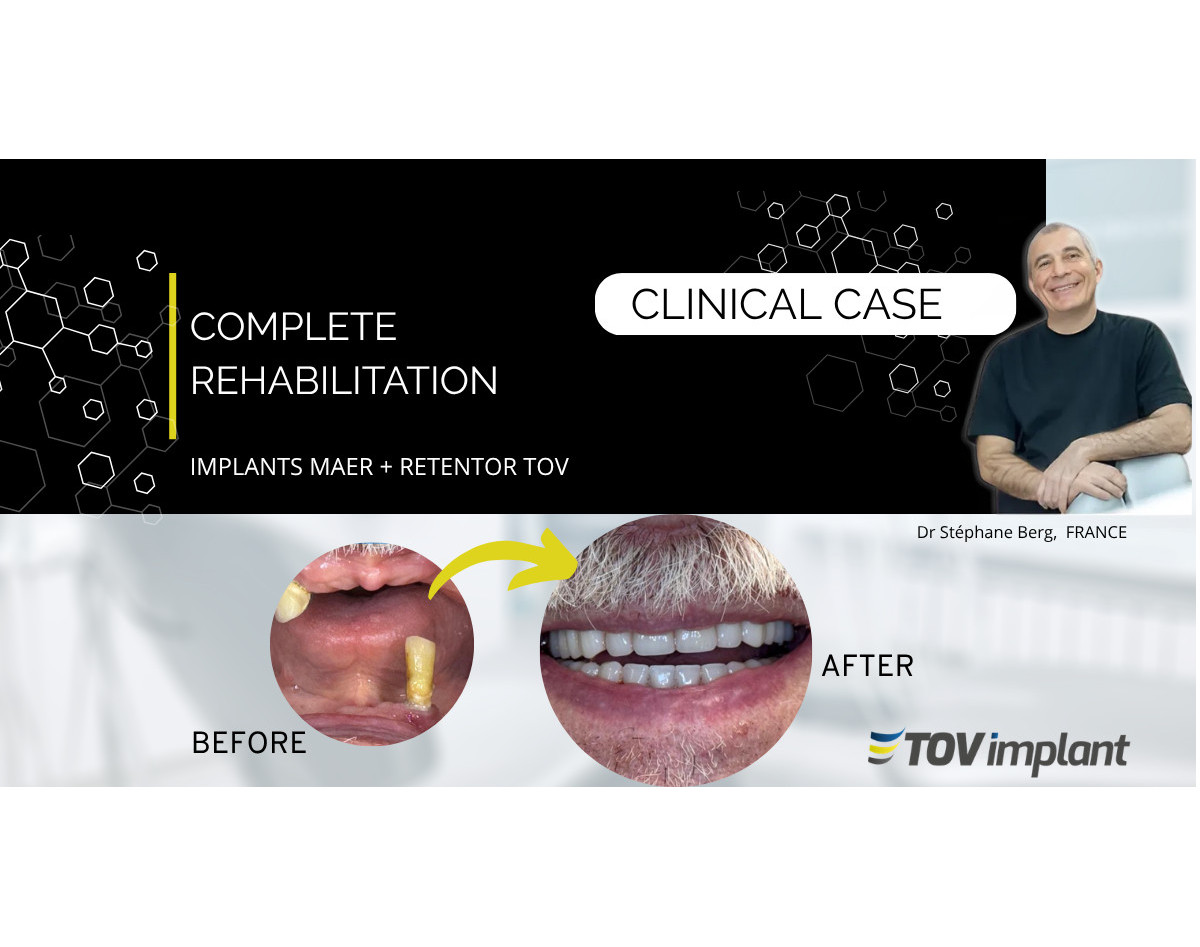
When compromised bone is no longer an obstacle
Complete rehabilitation of an elderly patient with severe bone resorption and extensive cystic lesions has long remained one of the most challenging scenarios in implantology. A condition that often led practitioners to immediately rule out any implant-supported solution.
This clinical case challenges that approach.
In patient K.E., 83 years old, presenting with extensive cystic lesions, major bone resorption, and a hemorrhagic condition, the implantologist in charge achieved a complete functional and aesthetic rehabilitation using TOV Implant’s MAER implants combined with the Retentor attachment system for overdentures. The result: immediate prosthetic stability and predictable osseointegration, under conditions many would have considered unfavorable for implantation.
Patient profile and pre-operative assessment
Patient: K.E., 83 years old
Clinical presentation:
• Long-standing edentulism (maxilla and mandible)
• Extensive cystic lesions in both arches
• Severe alveolar bone resorption
• Hemorrhagic condition
• Complete prosthetic instability
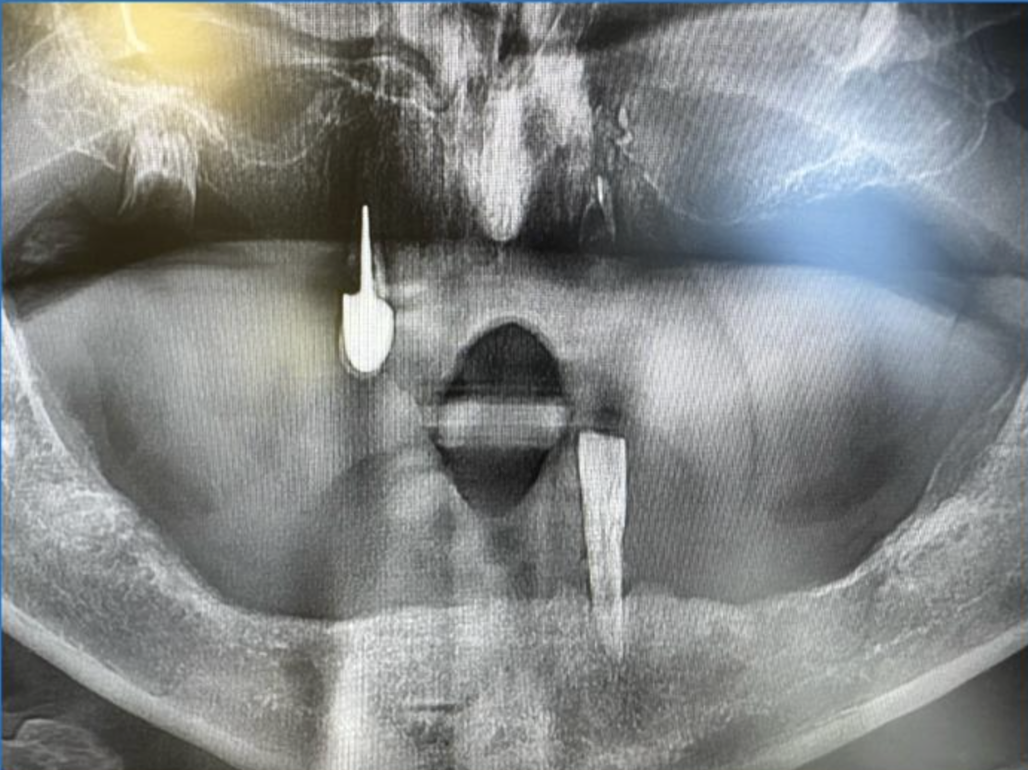
This clinical picture combined four of the most challenging factors in implantology: insufficient bone volume, active pathological lesions, systemic risk, and advanced age. Standard surgical protocols faced obstacles at every stage.
The clinical decision was to proceed with a carefully considered surgical approach, relying on the specific biomechanical properties of the MAER implant to achieve reliable primary stability despite the compromised surgical site.
Implant selection: why MAER?
The MAER implant, designed for challenging bone conditions
The MAER implant with Internal Hex connection (TOV Implant) was selected for this case due to its design characteristics, specifically adapted to the constraints imposed by poor-quality bone.
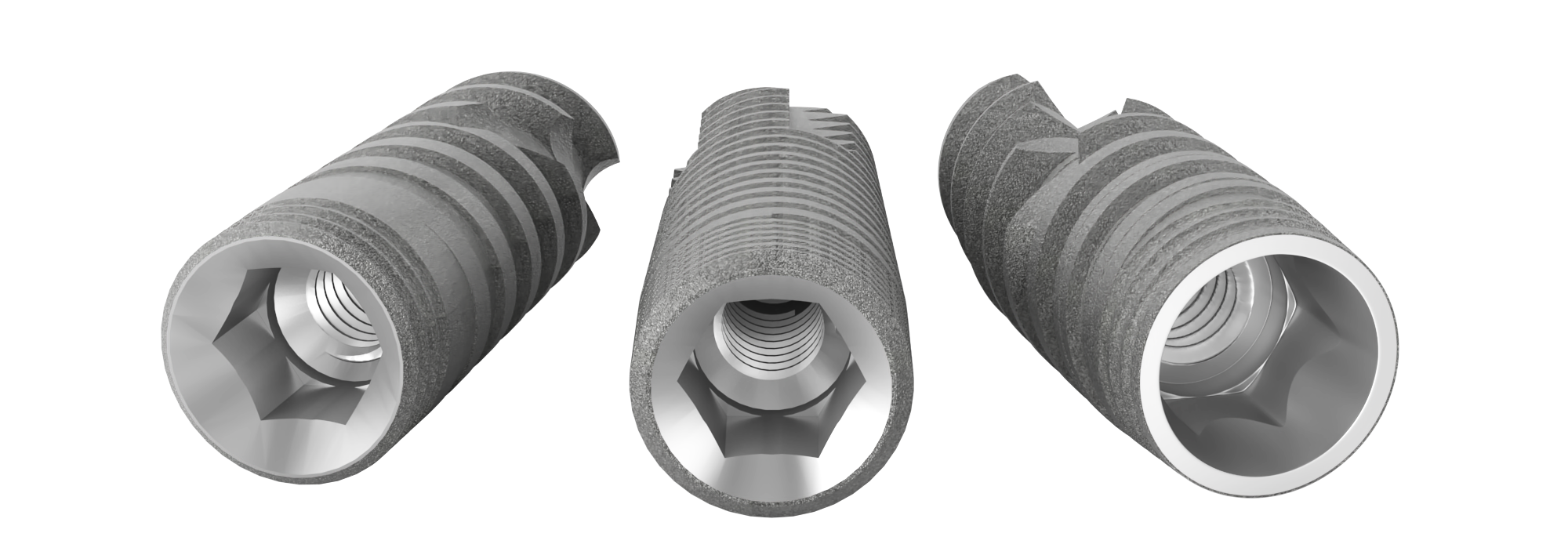
Self-drilling and self-tapping conical design
Reduces surgical trauma in fragile bone and limits thermal loss during osteotomy preparation.
Aggressive apex with tight threading
Provides immediate anchorage even in low bone density, allowing sufficient primary stability for a rapid loading protocol.
Cervical microthreads
Stabilize the bone crest and preserve peri-implant volume at the coronal level.
SLA surface (sandblasted and acid-etched)
Accelerates the osseointegration response at the bone-implant interface, particularly valuable in patients with slowed bone biology.
2.43 mm Internal Hex connection with platform switching
Reduces biomechanical stress at the implant-abutment junction and protects the crestal bone level — a critical factor in patients with pre-existing resorption.
Available diameters: Ø 3 mm (Slim), Ø 3.5 mm, Ø 3.75 mm, Ø 4.2 mm, Ø 5 mm
Material: Grade V medical titanium (Ti-6Al-4V), biocompatible, CE certified (0482), ISO 13485, FDA 510(k)
One biomechanical detail that is often underestimated: the condensing action of the MAER thread during insertion locally improves bone density at the implant site — a decisive advantage when the trabecular structure is compromised by resorption or cystic activity.
Surgical protocol
Phase 1 — Management of cysts and placement of maxillary implants
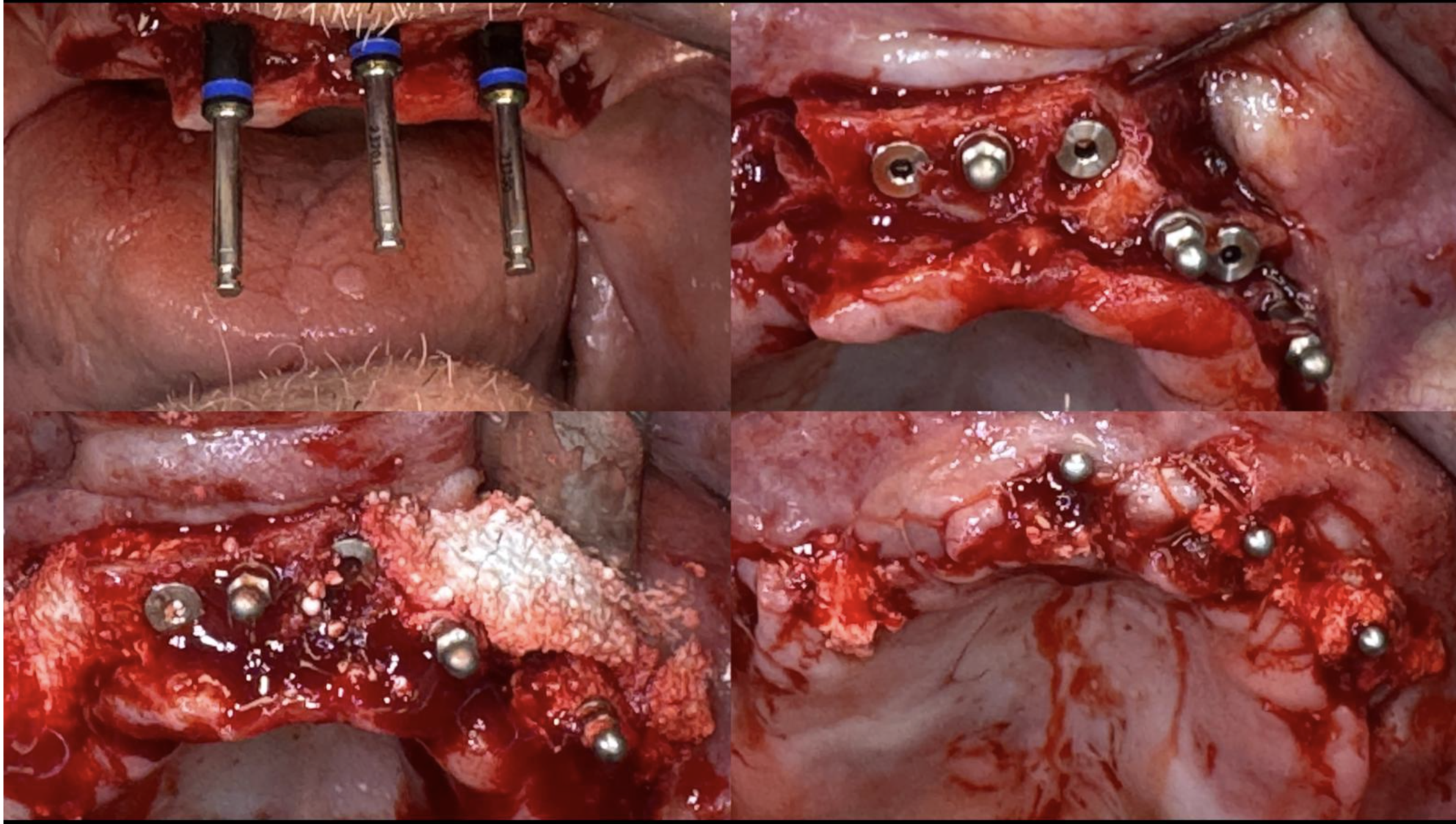
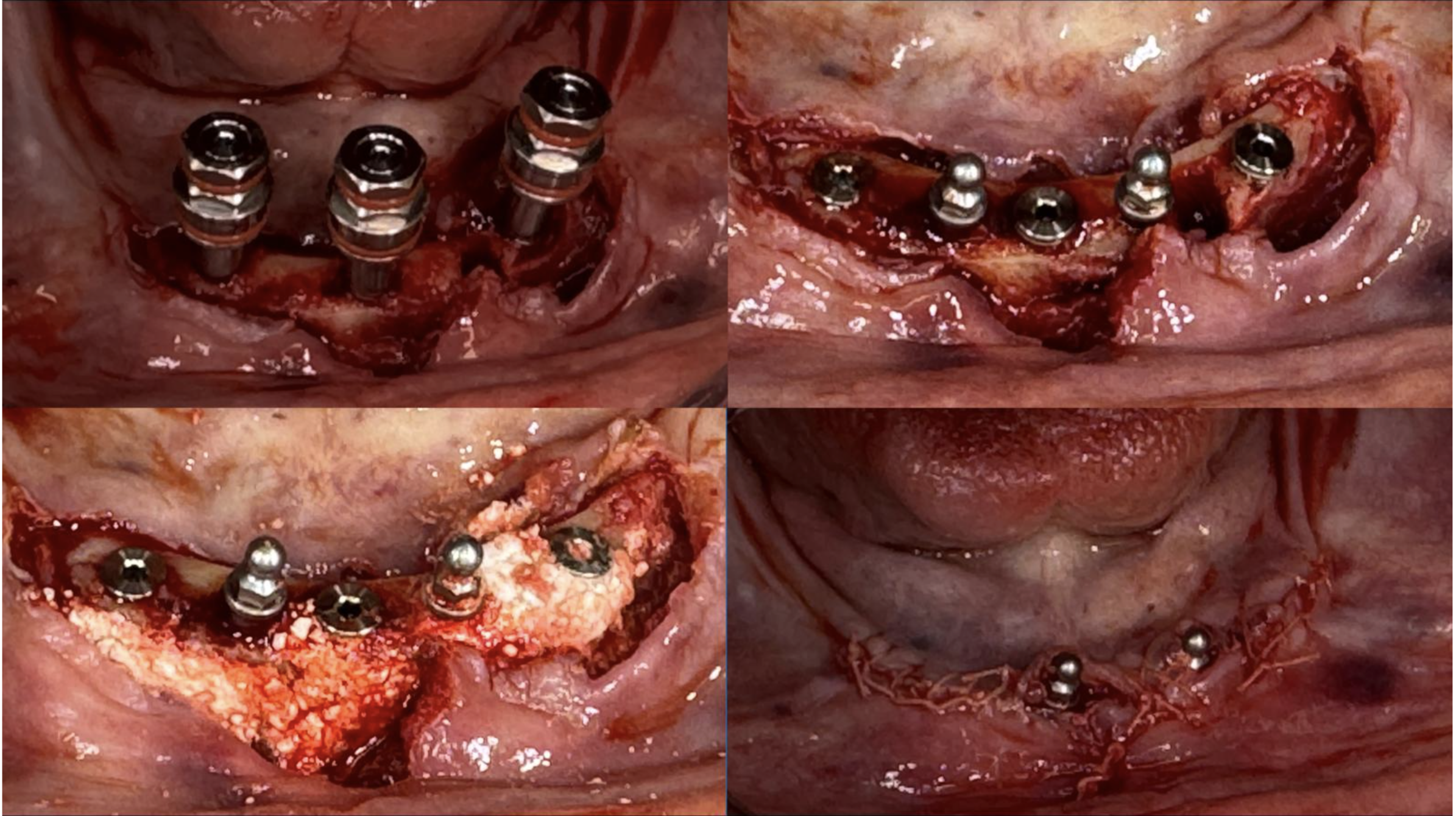
After excision and curettage of the cystic lesions in the maxillary arch, several MAER implants were placed directly into the treated sites. Despite the residual bone defects following curettage, the self-tapping design of the MAER implant made it possible to achieve:
Reliable primary stability across all implant sites, immediate loading potential without the need for grafting delays, and easier bleeding management thanks to a minimally invasive bone preparation protocol.
Phase 2 — Mandibular implantation in bone with destroyed cortical structure
The mandibular arch presented an additional level of complexity: destruction of the vestibular cortical bone in the main implant sites. The aggressive threading of the MAER implant, designed to simultaneously engage the remaining cortical bone and trabecular bone, made it possible to achieve primary stability where a standard cylindrical implant would not have obtained sufficient anchorage.
The reduced drilling sequence also minimized thermal elevation, preserving bone vitality at the osteotomy site.
Prosthetic rehabilitation: the TOV Implant Retentor system
Why choose an overdenture for an 83-year-old patient?
In elderly patients, three non-negotiable criteria guide the selection of prosthetic components:
Ease of daily maintenance, regardless of manual dexterity. Rapid functional loading and immediate comfort, without a prolonged adaptation period. Reversibility and retrievability of the system, allowing future adjustments without compromising the entire rehabilitation.
The TOV Implant Retentor system meets all three requirements while providing clinically reliable retention and long-term stability.
Retentor System — Technical Characteristics
The Retentor is an attachment system for implant-supported removable prostheses (overdentures), compatible with the Internal Hex platform of TOV Implant. Its color-coded retention insert system allows the clinician and laboratory technician to precisely calibrate retention forces according to the patient’s functional needs:Purple insert: high retention — active patients with demanding functional requirements
Transparent insert: medium retention — standard rehabilitation
Pink / yellow insert: low retention — elderly patients or patients with limited dexterity
Laboratory version (no retention): used on plaster modelsFor patient K.E., a low-to-medium retention insert was selected in order to optimize comfort while maintaining reliable prosthetic stability during function.Clinical results
Immediate post-operative outcomes
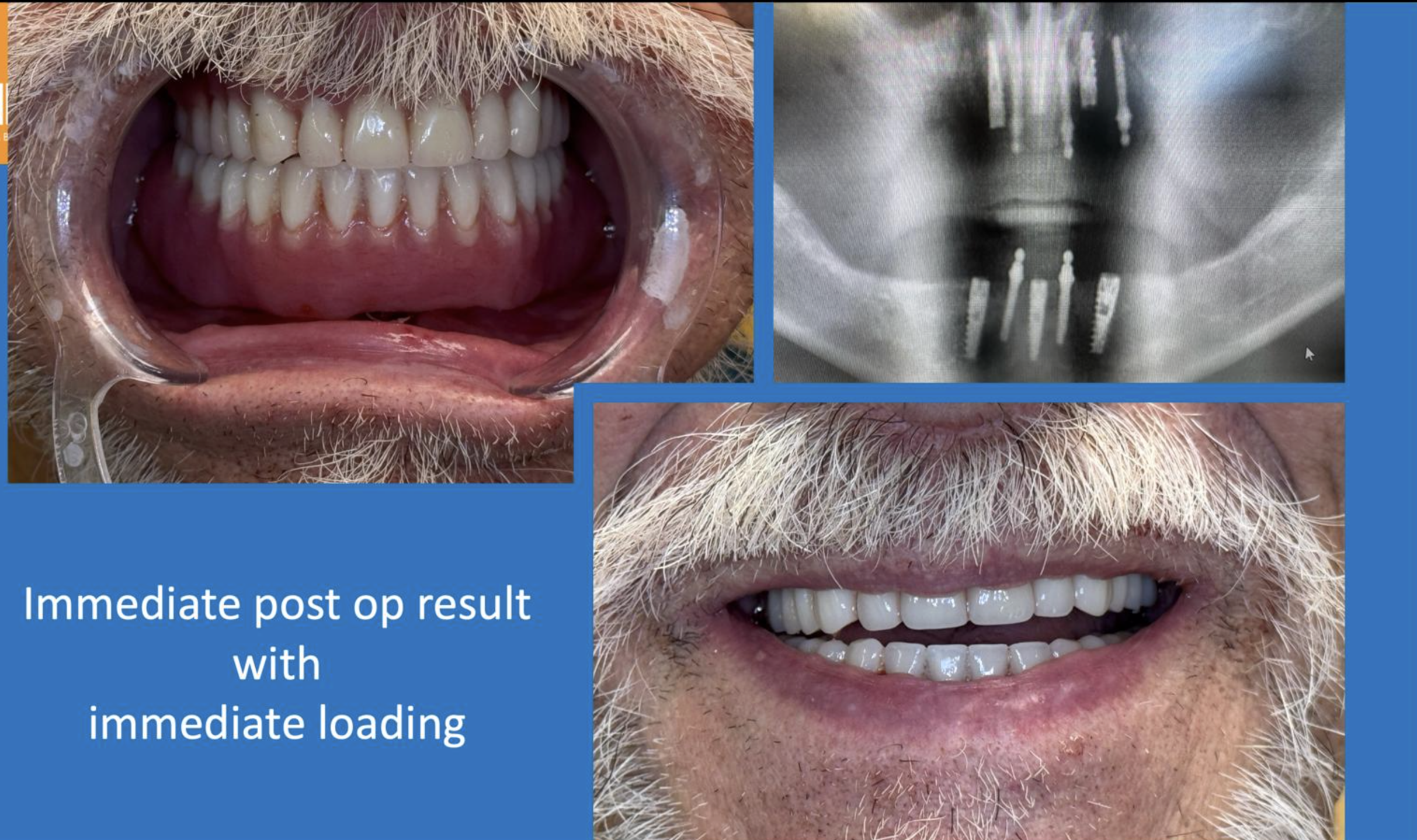
Excellent primary stability achieved across all implant sites. Improved bleeding control thanks to minimally invasive surgical techniques. Overdenture delivered with immediate functional loading. Patient-reported comfort confirmed at the 48-hour follow-up.
6-month follow-up
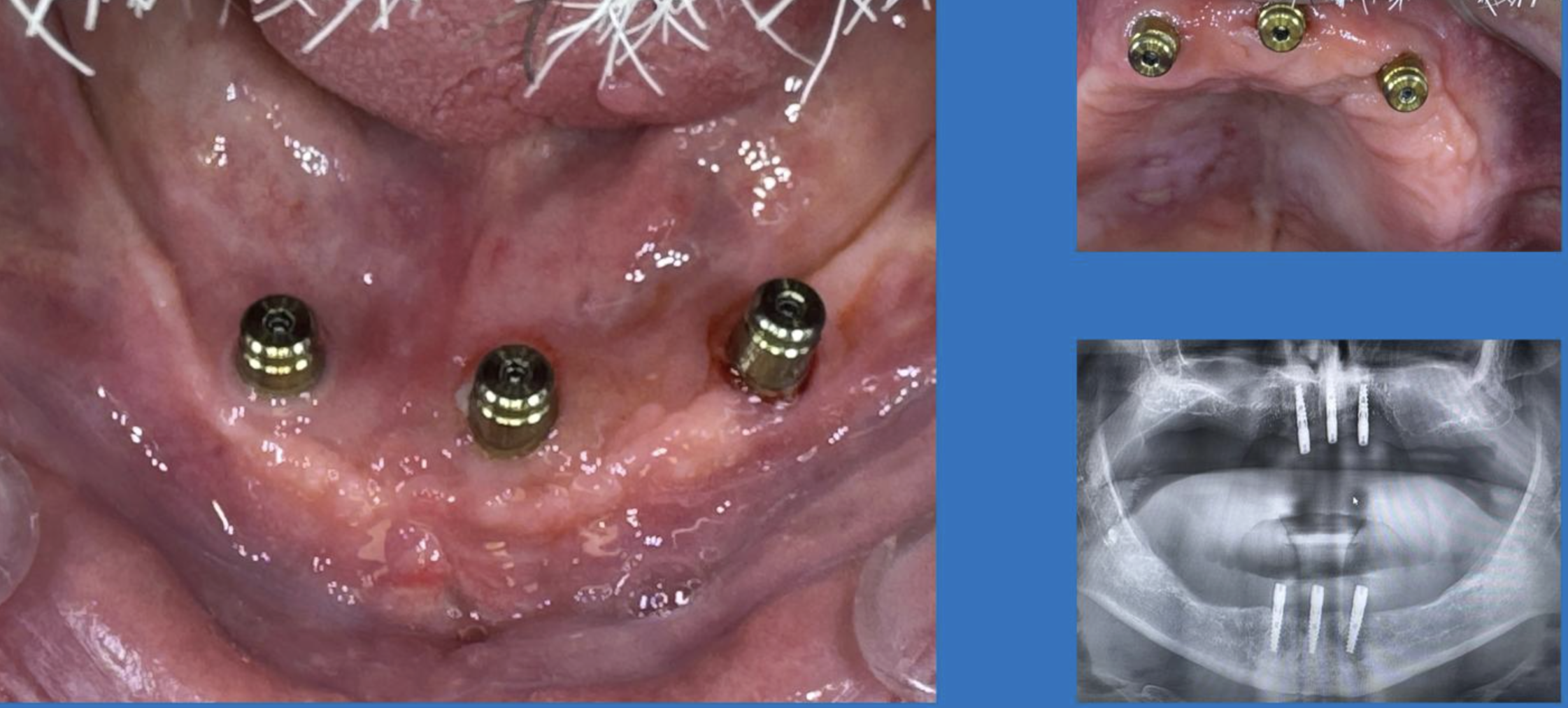
Osseointegration: complete, confirmed by ISQ measurements
Marginal bone level: stable, with no peri-implant bone loss
Soft tissue health: healthy peri-implant mucosa
Prosthetic function: optimal, no adjustments required
Patient satisfaction: excellent
Final aesthetic and functional outcome
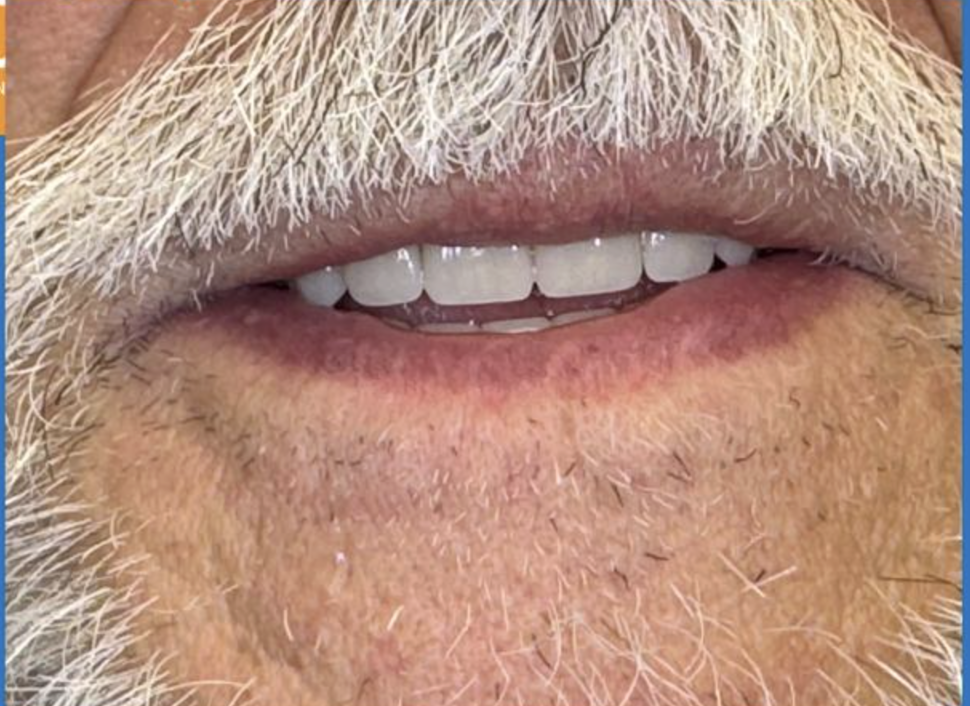 At 6 months post-loading, patient K.E. presented with a natural-looking smile restoration and correct vertical dimension. Prosthetic retention remained optimal and stable during mastication, phonation, and social interactions, along with a major improvement in quality of life as reported by the patient himself.
Comments
No comment at this time!
Leave your comment