
The RAGIL Range: Indications and Technical Points | TOV Implant
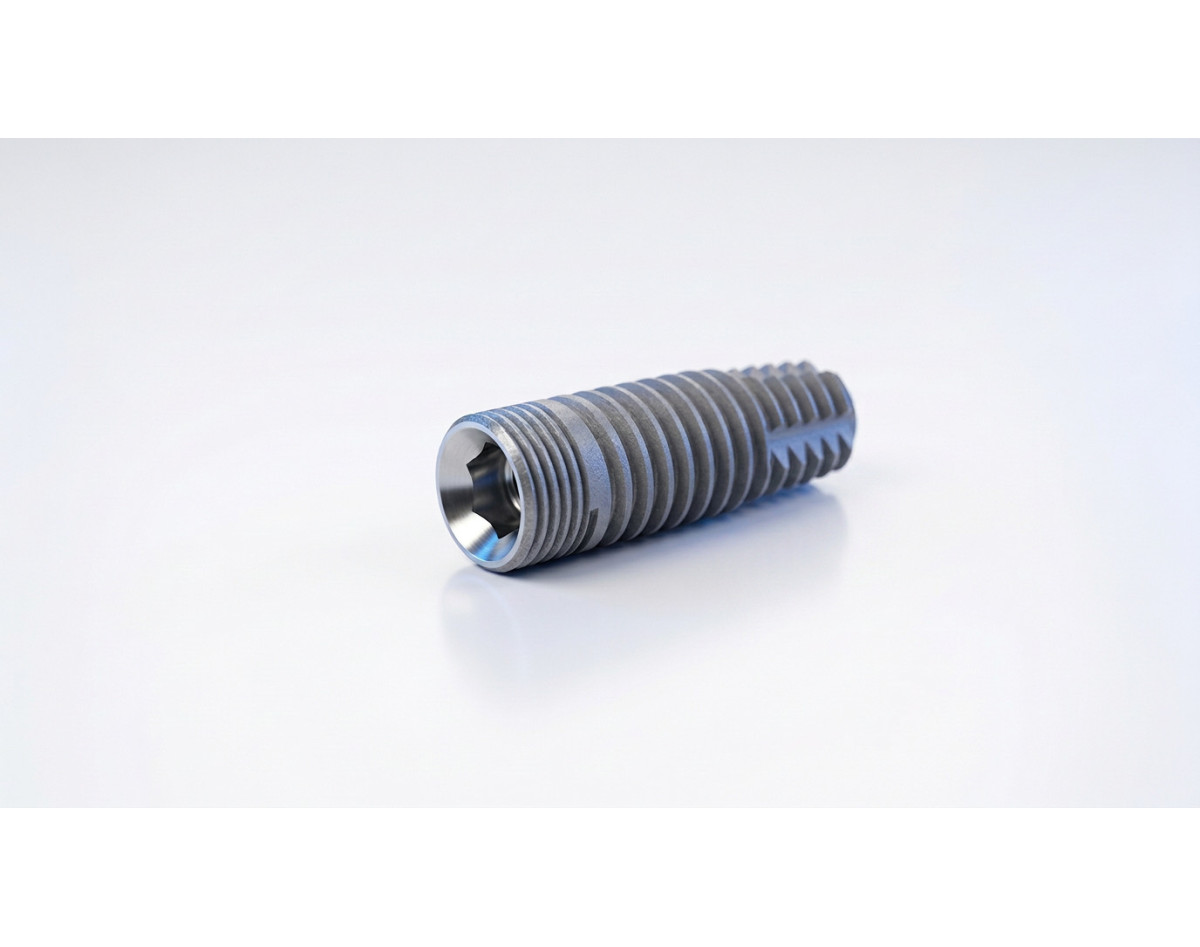
Have you ever faced a case where choosing the implant was not obvious: limited bone, a difficult position, a tight schedule? In those moments, what you need from an implant system is clarity. A coherent catalogue, instruments that follow a logical sequence and references that are easy to find. These are the points the RAGIL range was designed around.
The RAGIL Range: Indications and Technical Points
Have you ever faced a case where choosing the implant was not obvious: limited bone, a difficult position, a tight schedule? In those moments, what you need from an implant system is clarity. A coherent catalogue, instruments that follow a logical sequence and references that are easy to find. These are the points the RAGIL range was designed around.
This article reviews its indications, its technical features and the certifications that govern its manufacture. The aim is not to replace the instructions for use, but to give you a clear overview to support your clinical reasoning.
A range designed for the chair
A good range is judged by what happens during the appointment, not only on paper. Each RAGIL reference fits into a coherent set of components. In practice, this means fewer hesitations when choosing a diameter, less risk of confusing two similar parts, and a smoother transition from site preparation to the prosthetic phase.
And you, what takes up the most time when selecting an implant? Often it is not the surgery itself, but finding the right reference and checking compatibility. A readable range gives that time back.
Indications
RAGIL implants are intended for the rehabilitation of edentulous sites in both the maxilla and the mandible. The range offers a selection of diameters and lengths to adapt treatment to bone quality and to each patient’s anatomy. When your site presents limited bone height or width, the choice of dimensions becomes especially important.
For detailed indications, particularly regarding prior bone grafting or immediate loading, always refer to the instructions for use. That document is the authoritative reference, and it should guide your treatment plan.
Technical features
A few points to keep in mind when you compare implant systems:
- Material: medical-grade titanium is the standard in the field, recognised for its biocompatibility, meaning its good tolerance by the body.
- Surface: a surface treatment promotes osseointegration, the process by which bone bonds durably to the implant. It is a decisive factor for both primary and long-term stability.
- Connection: the connection type governs the stability of the implant-abutment assembly and its compatibility with prosthetic components. It is often checked last, although it should be evaluated from the start.
- Dimensions: a wide range of diameters and lengths, detailed in the product catalogue.
If you already work with another system, always verify compatibility before combining components. An error at this stage can compromise the precision of the assembly.
Certifications
In a field this sensitive, guarantees must be verifiable. Here is what the three most common mentions cover:
- CE marking: attests that the device complies with the applicable European medical device regulation. It is mandatory to market an implant in the European Union.
- ISO 13485: this international standard governs the quality management system, from design to manufacturing, including control and traceability.
- FDA 510(k): the US Food and Drug Administration has found the device substantially equivalent to a product already on the market. This is a US market clearance, not an approval, an important distinction to keep in mind.
In practice
Choosing an implant system is a commitment that can last for years, sometimes for an entire career. The RAGIL range combines ease of use, traceability and safety standards. If you are unsure about a reference for a particular case, do not wait until the day before the procedure to ask. Our team is here to help you select the components that suit your practice.
In Same Category
- Implant-Abutment Connection: Understanding Your Options
- Guided Implant Surgery: Key Steps with 2INGIS
- Compatible Prosthetic Solutions: The Range That Completes Your TOV Implants
- The MAER Implant: A Spiral Design Built for Maximum Primary Stability
- The MAER implant: the spiral solution for maximum primary stability.
Comments
No comment at this time!
Leave your comment